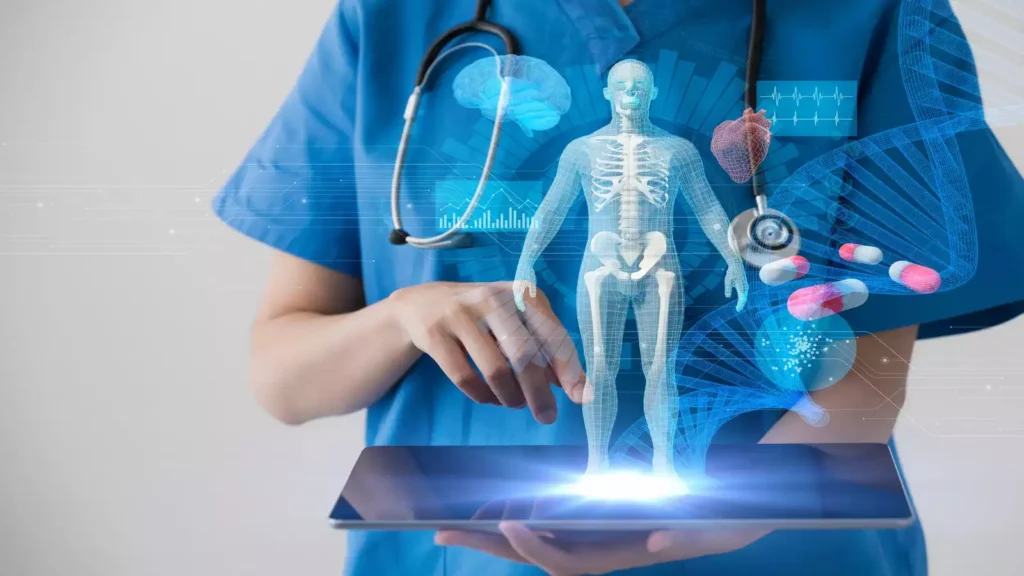
Modern medicine is evolving at an unprecedented pace. Breakthroughs in technology—from AI-driven diagnostics to wearable health monitors—have transformed how clinicians understand, detect, and treat illnesses. Yet, as healthcare becomes increasingly data-driven, the importance of personalized, patient-centered care remains paramount. Integrative medicine, as practiced by Dr. Lucien Alexandre, bridges this gap, combining technological advancements with tailored approaches that honor the unique needs of each individual.
The Rise of Technology in Healthcare
Over the past decade, medical technology has reshaped patient care. Electronic health records (EHRs), telemedicine platforms, and predictive analytics tools allow physicians to track patient health in real-time and make informed decisions with remarkable precision. AI algorithms can analyze complex datasets, identifying patterns that may elude human observation. Imaging technologies like MRI, CT scans, and 3D modeling provide unprecedented insights into anatomical structures, enabling earlier interventions and more accurate diagnoses.
However, while these innovations enhance efficiency and accuracy, they cannot fully replace the nuances of human judgment. A high-tech approach without human context risks depersonalizing care, leaving patients feeling like data points rather than individuals.
Personalized Care: The Heart of Integrative Medicine
Personalized care focuses on understanding the patient as a whole—physically, emotionally, and socially. It takes into account genetics, lifestyle, and environmental factors when designing treatment plans. Integrative medicine emphasizes the value of this holistic perspective, combining conventional medical treatments with complementary therapies, such as nutrition guidance, stress management, and rehabilitative practices.
Clinicians trained in integrative approaches recognize that two patients with the same diagnosis may require entirely different interventions. For example, managing hypertension might involve a combination of medication, dietary adjustments, mindfulness techniques, and personalized exercise regimens. By centering care on the individual, healthcare providers improve adherence, patient satisfaction, and long-term outcomes.
Bridging the Gap: Technology Meets Individualized Care
Integrative medicine does not reject technology; rather, it harnesses it to enhance personalized care. Wearable devices, for instance, provide patients and physicians with continuous monitoring of vital signs, sleep patterns, and activity levels. This real-time data enables timely adjustments to treatment plans, ensuring interventions are responsive to the patient’s evolving needs.
Similarly, AI-driven tools can predict disease risks based on genetics and lifestyle factors, allowing preventive strategies to be tailored before illness occurs. Telehealth platforms offer greater access to specialists and integrative practitioners, breaking down geographical barriers and making personalized care more accessible than ever.
By merging data-driven insights with compassionate clinical judgment, healthcare providers achieve a balance that neither technology nor human intuition could accomplish alone.
The Role of Patient Engagement
Central to this integrative model is active patient participation. Technology alone is insufficient if patients do not understand or engage with their care plans. Personalized care empowers individuals to take ownership of their health decisions, fostering collaboration between patients and practitioners. Educational resources, digital health dashboards, and teleconsultations are tools that encourage informed engagement, ensuring patients are partners rather than passive recipients.
Engaged patients are more likely to adopt lifestyle changes, adhere to treatment protocols, and communicate openly about symptoms. This collaborative approach not only enhances clinical outcomes but also strengthens the trust and rapport that underpin effective healthcare.
A Look Toward the Future
The future of integrative medicine lies in continuous innovation that respects the human element of care. Emerging fields such as precision medicine, functional medicine, and psychoneuroimmunology are already reshaping treatment paradigms by focusing on root causes and patient individuality. Simultaneously, technology will continue to expand capabilities in diagnostics, monitoring, and predictive analytics.
For healthcare providers looking to stay at the forefront of this evolution, embracing an integrative approach is essential. Institutions and clinicians who prioritize both technological proficiency and patient-centered practices will set new standards for effective, compassionate care.
Dr. Lucien Alexandre exemplifies this balanced philosophy. By combining advanced diagnostic tools with personalized treatment plans, his practice demonstrates how modern medicine can leverage technology while keeping the patient at the center of care.
Conclusion
Integrative approaches highlight the importance of harmonizing innovation with empathy. While technology can transform capabilities, personalized care ensures that these advancements truly benefit the patient. By embracing both, the healthcare community can deliver treatments that are precise, effective, and human-centered.